A Comprehensive Guide To Authentic Arabica Coffee Beans. Ultimate Guide To Authentic Arabica Coffee Beans
Authentic Arabica Coffee Beans 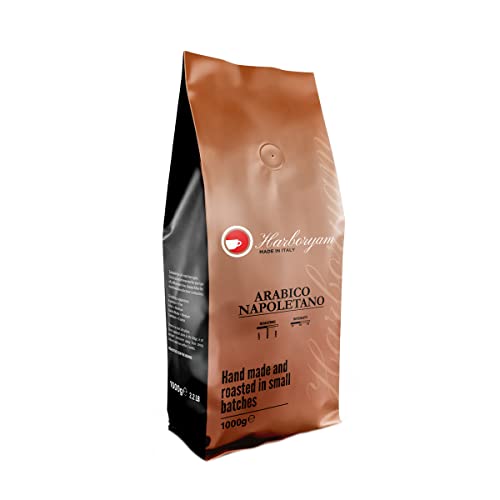 Arabica coffee beans are more sweet and less bitter than those of Robusta plants, and may be characterized by a fruity or chocolatey flavor. However, the level of roasting and the method of brewing can alter these characteristics dramatically. Many high-end cafes and stores make use of Arabica beans. Some even offer a range of coffee certifications, including fair trade and organic. Origin There are many different types of coffee. Some originate from countries with a single origin and others are made using blends of beans from different origins. The best quality coffees however, are made of authentic arabica beans. These beans have a rich history that dates back centuries. The first coffee plants were cultivated in Ethiopia and a legend claims that they were discovered by a goat herder called Kaldi. He noticed that his herd was particularly energetic after eating the red berries of a specific tree. After consuming the berries, the farmer noticed a similar energy boost and began to grow the coffee plant. In addition to the altitude and climate the process of growing and brewing methods can affect the final taste of coffee. These beans can have a variety of flavors, ranging from bitter to sweet with notes of chocolate and fruit. In certain instances, they may even have a spicy or floral aroma. The type of bean used to make the coffee can alter the taste of the coffee, with some varieties having milder flavors than others. arabica coffee beans online of Coffea arabica are oval, flat and have an opening at the top. They are green to creamy-yellow when they are raw, and light coffee-brown after roasting. They have silver skins and a parchment-like material that protects the seeds. The name coffee bean comes from its connection through Arab traders. Authentic arabica is widely considered to be the most delicious and premium quality coffee available. It's often used in high-end cafes and gourmet coffee shops and it can be found in major chain stores too. It's a favorite morning drink for many and is a favorite of espresso enthusiasts. The decision between single-origin or blend coffees is based on your personal taste preferences. Single-origin beans are recommended for those who wish to experience the unique flavor of a specific region, while blends are more balanced and smoother taste. Cultivars Arabica beans have a light sweet taste that is infused with fruit and floral aromas and are usually light to medium in body. Its distinctive flavor is the primary ingredient in gourmet and specialty coffees. The flavor of arabica coffee is quite different from its less expensive cousin, Robusta. Robusta is often present in instant coffees, coffee-flavored drinks, and coffees that are brewed in Asia. They are typically combined with sugar to hide their bitterness. Cultivars refer to the specific varieties of arabica plants that have been created to improve certain flavor characteristics and growing conditions. Currently, there are several cultivars that grow at different temperatures and altitudes across the world. There are many cultivars such as catuai, typica, and bourbon. In addition to cultivars there are also landrace varieties that are the result of naturally occurring mutations within coffee plant seeds. Cultivars and Landraces are chosen, cross-pollinated, and crossed for a variety of reasons, including disease resistance and increased yields. While arabica can be grown in any climate, the most delicious beans come from areas with milder weather and higher elevations. Ethiopia is among the best places to locate cultivars with heirloom characteristics, like Yirgacheffe or Sidamo, that offer complex notes and vibrant flavors, influenced by climate and altitude. Geisha coffee, a rare arabica variety that comes from the town of Gesha in Ethiopia, has gained international acclaim for its exceptional quality and distinctive taste profile of jasmine and fruity overtones. Other arabicas of high-quality are grown in Central and South America. Colombia and Brazil produce beans that have moderate acidity and a full-bodied taste. These beans can be roasted dark or light which can result in many different flavors. Other countries like Vietnam and Indonesia also produce arabica beans that have more mild flavor, balanced acidity, and a light body. Certifications Arabica beans have a distinctive flavor and high-quality and are favored because of their versatility by coffee drinkers. This particular variety is grown on multiple continents and provides many different flavors and notes that will please even the most discerning palate. Coffee lovers should know what they're drinking and where their beans originate from. The coffee bean's origin and conditions of growth can affect its taste and aroma, and the method of brewing can affect the experience. For many specialty coffee roasters and retailers, ethical sources are a top priority. They are committed to fair wages for the farmers, sustainable farming methods and organic certifications. This is an essential part of the supply chain for coffee and is an essential component of a sustainable and environmentally-friendly industry. Whether you're looking for an individual or a blend variety, make sure you look for the following certifications to ensure that you are buying high-quality arabica beans: Bird Friendly is an international sustainability standard that has been certified by the Smithsonian Migratory Bird Center. This program encourages farmers to safeguard the habitats of migratory birds and their mates. Bird-Friendly coffee is only labeled if it has been certified by this center. The Rainforest Alliance, a global sustainability standard, certifies a vast range of crops including coffee. The program is less stringent than the Bird-Friendly Certification but still places an emphasis on environmental issues. This certification also requires environmentally responsible processing methods. Another alternative is Direct Trade, which allows coffee farmers to establish long-term relationships with buyers. The buyer is then able to invest in the community and the farm and provide a stable price to the farmer. However, it is important to note that this sourcing model doesn't have the same level of transparency and accountability as other certifications. The rising popularity of arabica coffee has led to an increase in demand and improved farming practices. These improvements help keep this popular crop sustainable for the generations to come. It is crucial to remember that climate change, among other factors, may threaten the cultivation of this species. As such, many organizations are pursuing ways to improve coffee cultivation and processing techniques that will help the industry continue to thrive. Blends Arabica is the world's most popular coffee variety known for its delicate taste and rich flavor. This unique variant is softer than Robusta, its main competitor. Robusta and provides an even, vibrant bouquet of flavors. However, the quality of its flavor and quality is dependent on a variety of factors such as the variety, conditions for growth, processing methods and brewing techniques. Whatever coffee you select, all varieties of Arabica beans contain far less caffeine than Robusta beans. This means you can sip the delicious beverage without negative effects, like stomach cramps and jitters. Furthermore the low amount of caffeine in Arabica is another reason that makes this type of coffee suitable for those who have sensitive digestive systems. To offer our customers a variety of the best authentic arabica coffee, we have carefully selected the most premium beans and roasted in small batches in Molise, Italy. The result is a well-balanced, full-bodied coffee with sweet caramel aroma and hints of chocolate. This is the perfect coffee to spend a leisurely evening with friends or to kick off your day. Typica is the oldest and most significant variety of Arabica and is renowned for its sweet and clean flavour. Typica is among the “parent” beans that are considered essential and provides a perfect balance between acidity and sweetness. Its main disadvantage is that it has a low yield and is prone to diseases and pests. Bourbon is a different and versatile Arabica. The cultivar originated from the island of Reunion (formerly known as Ile Bourbon) and has been crossed with other varieties to produce newer coffee varieties that are resistant to diseases. Bourbon beans are known for their sweet, bright flavour and balanced acidity. The taste and aroma of Arabica differ based on its origin, as the specific soil composition, climate, and cultivation techniques affect the coffee's flavor profile. Indonesian coffees, for instance typically have earthy notes while those from Ethiopia can have floral or fruity notes. Additionally the roasting level can also affect the flavour of Arabica coffee. Lighter roasts preserve the original flavours of the beans, while darker roasts are more pronounced in taste.